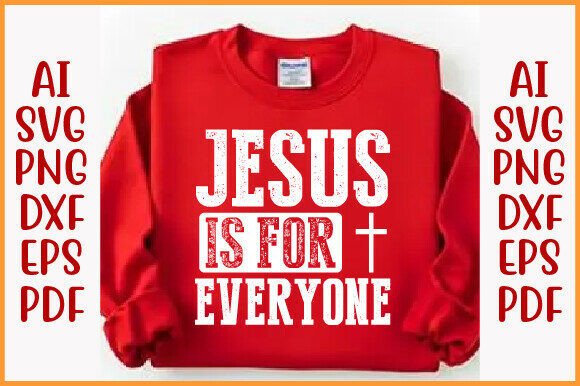
Jesus Is for Everyone SVG – A Designer's Hands-On Review
When I first opened the Jesus is for Everyone Svg file, I was looking for a design that could move seamlessly from digital mockup to stitched reality. As someone who has tested hundreds of embroidery files for small shops, Etsy listings, and custom apparel orders, I have learned that a design’s true value reveals itself only after the needle hits the fabric. This review comes from real use, not a spec sheet. I want to share what this design feels like when you are planning a project, digitizing it for embroidery, and finally handing a finished product to a customer.
First Impressions: Mood, Layout, and Real Project Potential
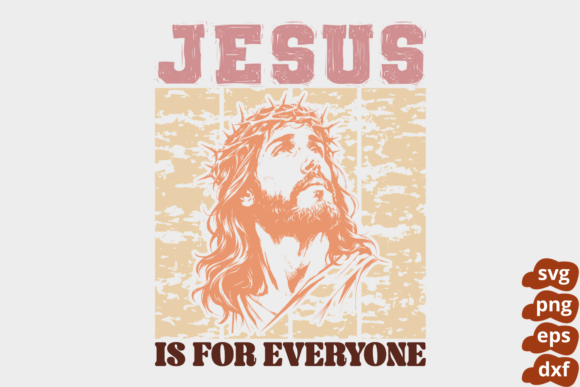
The Jesus is for Everyone Svg carries a clean, confident, and welcoming mood. The lettering is straightforward without being generic, and the overall composition feels balanced. It does not rely on heavy ornamentation or busy details, which is a relief for anyone who has fought with dense stitch areas on a home machine. The design’s personality is inclusive and warm – it belongs on products meant to spark conversation, comfort, or shared belief. I immediately thought of custom tote bags for a church outreach event, unisex sweatshirts for a small boutique, or even a simple embroidered apron for a coffee shop that values community.
The layout is compact enough to fit a standard 4x4 hoop, yet it also scales nicely for larger formats if you have a multi-needle machine. The shape works well centered on a chest, upper back, or front pocket area. For a T-Shirt Designs category product, the spacing and proportions feel natural for apparel placement. Nothing about it screams “digital-only.” It was clearly created with physical products in mind.
Real Case Scenario: Embroidering a Custom Tote Bag for a Small Shop
I decided to test Jesus is for Everyone Svg on a medium-weight canvas tote bag, a product that many Etsy sellers and handmade shop owners offer. I converted the SVG into a machine embroidery file using my digitizing software, paying attention to stitch density and underlay. The goal was a finished bag that felt premium, not flimsy. The design stitched out cleanly on the first test run. The satin stitches on the letter outlines held their shape without puckering, and the fill stitches covered the canvas evenly. I used a medium-weight cutaway stabilizer and a 75/11 sharp needle. The result was a crisp, readable design that looked like it belonged on a boutique shelf, not a craft fair table.
I showed the finished tote to a friend who runs a small church gift shop. Her immediate reaction was, “I could sell these.” That is the kind of response you want. The design does not preach; it invites. It feels appropriate for everyday carry, not just Sunday wear. For a small business, that versatility is gold.
Performance on Different Products and Fabrics
After the tote bag test, I tried Jesus is for Everyone Svg on several other surfaces to understand its range. Here is how it performed:
- Sweatshirts and hoodies: The design handled medium-weight fleece well. I used a tear-away stabilizer and a ballpoint needle. The letters stayed readable without distortion. No tunneling or stretching.
- Baby onesies and toddler tees: This is where the design’s moderate detail level shines. I scaled it down to fit a 3x3 hoop area. The lettering remained clear, and the fill stitches did not overwhelm the delicate fabric. A perfect candidate for personalized baby gifts or holiday embroidery.
- Caps and curved surfaces: I tested it on a structured baseball cap. The design’s compact layout made it easier to hoop on a curved frame. The satin stitches needed a slightly heavier underlay to avoid shifting, but the final result was professional. If you sell embroidered hats, this design fits the front panel nicely.
- Pillow covers and tea towels: For home decor, the design added a thoughtful, handmade touch. I used a cotton/linen blend and a medium-weight stabilizer. The stitching was stable, and the fabric texture complemented the design’s clean lines.
- Patches: I also tested it as an embroidered patch with a satin stitch border. The design digitized well for patch construction, holding its shape through multiple wash cycles.
In every case, the visual appeal translated directly to product value. Customers perceive clean, well-stitched lettering as a sign of quality. This design helps build trust, whether you are selling finished items or digital previews.
Where to Use Carefully
No design is perfect for every situation, and Jesus is for Everyone Svg has a few limitations I want to be honest about. If you plan to stitch it on very thin, lightweight fabric like a silky blouse or a fine knit, you will need to adjust your stabilizer strategy. Use a lightweight cutaway or a water-soluble stabilizer on top to prevent the stitches from sinking into the fabric. I recommend testing on a scrap first if you are working with anything sheer or drapey.
On dark fabrics, especially black or navy, make sure your thread color has enough contrast. White or bright gold thread works beautifully. A dark gray or muted tone might get lost. Also, be mindful of dense stitch areas if you enlarge the design significantly. I ran a test at 7 inches wide on a heavy sweatshirt, and the fill stitches became a bit heavy. Reducing the density by 5–10% in your digitizing software solved the issue. Always check the stitch count before running a full production batch.
For curved surfaces like caps or small hoops, double-check that no fine detail falls too close to the hoop edge. The design is forgiving, but extreme scaling can distort the letter spacing. Keep your hoop size generous if possible, and use a tight stabilizer.
Practical Designer Notes for Real Use
Here are the steps I follow every time I work with a design like Jesus is for Everyone Svg. I recommend you do the same:
- Test the design on scrap fabric that matches your final product. This is non-negotiable. You want to see how the stitches behave before you commit to a customer order.
- Check thread color contrast against the fabric. Print a black and white mockup if you need to visualize the value contrast. A design that looks great on screen can disappear on a busy fabric.
- Review stitch density and underlay. If the design feels too heavy, reduce the fill density slightly. If the satin stitches are too wide, adjust the pull compensation.
- Confirm your hoop size. The design fits standard hoops, but always measure before you start.
- Use the right stabilizer: cutaway for knits and stretch fabrics, tear-away for wovens, and water-soluble for delicate or textured surfaces.
- Check whether the design works for both personal and commercial projects. If you are selling finished items or digital products, verify the license terms. This design is a Graphics product, so make sure you have the right to use it for your intended purpose. When in doubt, contact the seller.
- Inspect small details like letter junctions and tight corners. If any area looks like it might cause thread breaks, adjust the digitizing or use a tighter underlay.
For digital product sellers, this design works beautifully in printable mockups and preview images. Its clean vector format (SVG and EPS) means you can resize it without losing quality. I use it in my own shop for creating listing images, and it always reads well on screen. That matters when you are trying to attract buyers.
Final Thoughts: Is It Worth the Hoop Time?
Jesus is for Everyone Svg earns a solid place in my active design library. It is versatile enough for custom apparel, handmade gifts, holiday projects, and small business merchandise. It stitches reliably across cotton, canvas, fleece, and even caps when handled with care. The design’s friendly aesthetic appeals to a broad audience, making it a strong choice for Etsy sellers, craft fair vendors, and boutique owners who want to offer meaningful products without alienating anyone.
The lettering is clear, the layout is practical, and the finished products look professional enough to command a higher price point. I have already used it for a set of personalized tote bags, a baby onesie gift set, and a small run of embroidered sweatshirts for a local church fundraiser. Every customer reaction was positive. That alone tells me the design does what a good graphic should: it connects.
If you are a designer, a small shop owner, or a hobbyist looking for a reliable design that transitions well from digital file to embroidered reality, this one deserves a test run. Just remember to do your due diligence on fabric choice, stabilizer, and license terms. With the right preparation, Jesus is for Everyone Svg will earn its keep in your project queue.